

Vermiculite: what it is and how to prepare it for your garden
info@gardenweb.es User
We tell you about the properties that vermiculite has for your plants, a mineral that is applied in any garden for its benefits.
Have you heard of vermiculite? You may have read or heard this name from gardening experts but don't know what it is. If so, we recommend that you continue reading this GardenWeb article where we will explain what vermiculite is and how you can prepare it for your garden.
However, we want to tell you in advance that it is a material that you can easily find and that can provide different benefits to your plants.
What is vermiculite?
Vermiculite is a mineral that belongs to the mica group, which is made up of iron and magnesium silicates. This material is well-known and used among the most experienced farmers because vermiculite has an excellent capacity to retain water in plants, as well as other essential elements for them such as magnesium, calcium, potassium, and ammonium.
What is vermiculite used for?

But, what benefits can it offer the plants in my garden? Below, we will explain the different uses of vermiculite for plants:
-
Vermiculite is a material that, when mixed with other elements such as coir, provides an excellent substrate for plants, as it favors nutrient retention. If we also mix it with other materials such as worm castings, we will obtain even better soil for the garden.
-
It is also ideal for preparing substrates for more delicate vegetables such as seedbeds. This is because, as we have mentioned, this element promotes water retention and also absorbs excess moisture.
-
It is especially used in hydroponic crops as vermiculite acts as an anchor point for this type of plant. In addition, it helps to nourish them with its mineral composition.
-
Finally, vermiculite is used to transport plants in bags or other closed containers since it maintains their humidity and prevents possible damage.
How to make a homemade mixture with vermiculite
With this material, we can create one of the best substrates for plants, especially those in large pots. We just need to have coir and worm castings, which are also two 100% natural and ecological elements.
This mixture should be made following this proportion:
- 55% coir
- 35% worm castings
- 10% vermiculite
How to prepare natural and ecological substrate – step by step:
-
First, take some coir from the block and place it in a tray. Now start adding water and separating it with a rake until it begins to swell. It is advisable to add the fiber little by little to get a more accurate amount.
-
Once you have the coir ready and moistened, add the proportion of worm castings we have indicated and stir the mixture well so that the substrate is aerated.
-
When you have both elements well mixed, you just need to add the vermiculite. Spread it over the materials and then mix it so that it stays in the first few centimeters.
Buy all the materials you need to prepare the substrate with vermiculite at GARDEN WEB
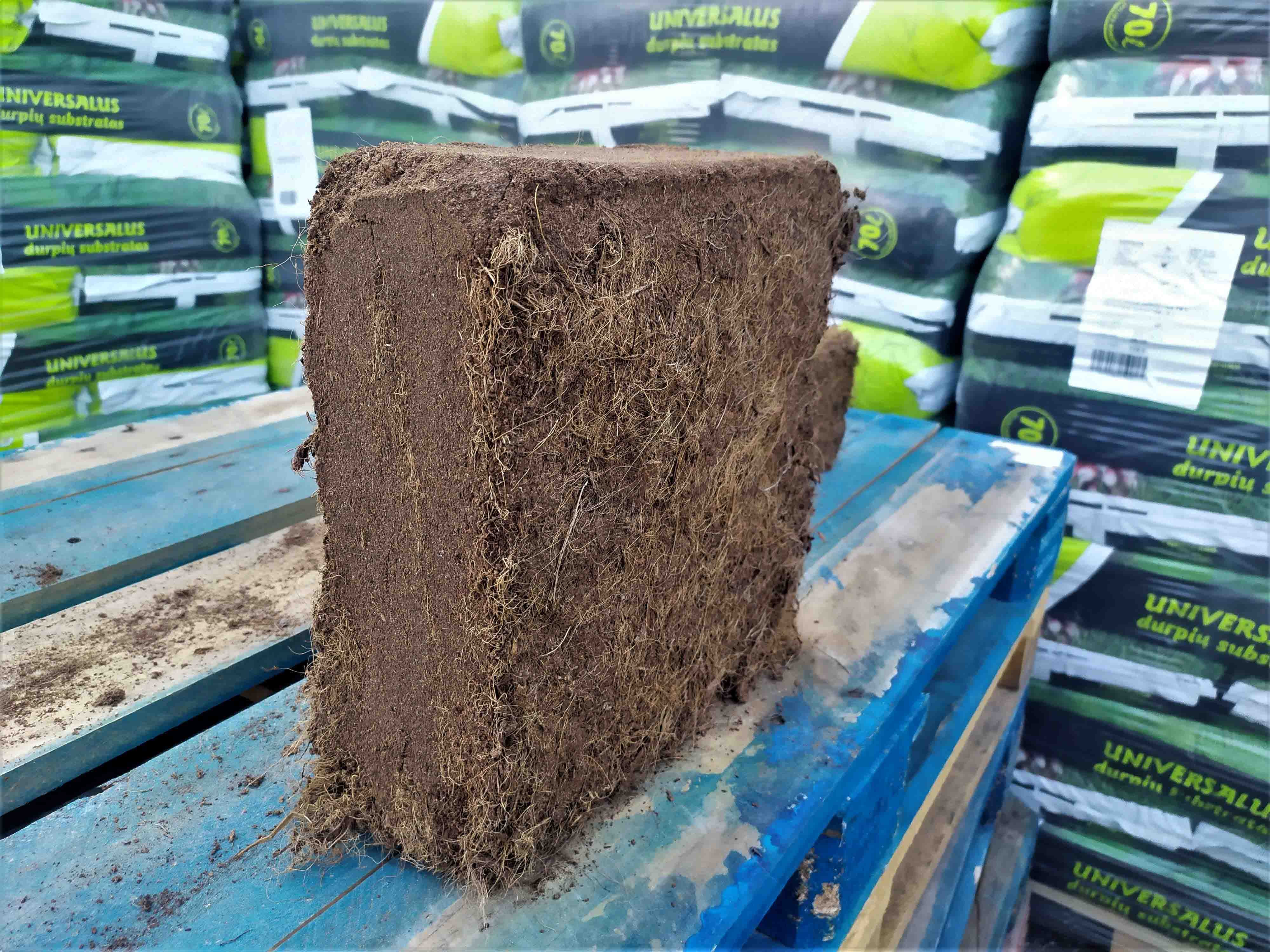
Although GARDEN WEB does not sell this mineral rich in properties, we do have other materials that you will need to make your vermiculite mixture:
Take a look at our online store and discover more than 1000 gardening products that will adapt to the needs of your plants.


Related Products

Coco Coir Block 70+30 Low EC – Pressed natural substrate that yields up to 70 liters
Coco Coir Block 70+30 Low EC – Pressed natural substrate that yields up to 70 liters
€9,90
Sale price
€9,90
Regular price


Micromax ICL – Professional range of micronutrients for nurseries, substrates and ornamental plants
Micromax ICL – Professional range of micronutrients for nurseries, substrates and ornamental plants
€100,30
Sale price
€100,30
Regular price


Osmocote Exact Standard – Controlled release fertilizer for professional nurseries
Osmocote Exact Standard – Controlled release fertilizer for professional nurseries
€190,29
Sale price
€190,29
Regular price
Subscribe to our emails
Want more gardening tips and exclusive offers? Join our community.
🌱 Leave your feedback here
We want to know what you thought of this article and, especially, if you found it helpful. If you'd like to share your experience, this is your space. We're listening!