

Want to learn about other ways to stake plants using bamboo stakes and other materials?
Bamboo stakes are a popular product for staking all kinds of crops as they are both strong and flexible. For those who don't yet know what stakes mean, we are referring to the material we use as support to guide plants that need to climb to grow healthily.
To guide these plants, they are usually staked with bamboo canes, and this task can be done in different ways. In this GARDEN WEB post, we tell you about the most well-known techniques for guiding plants, as well as other alternative ways to stake crops with bamboo stakes.
Why is it important to stake crops?
As we have already mentioned, there are plant species that need support to guide them to grow vertically and thus prevent them from bending and breaking under their own weight. These are climbing plants, and the most common crops that are usually staked include tomato plants, pistachio trees, olive trees, and almond trees, among others. For this, there are different staking methods and also different types of stakes that should be used depending on what is being planted, with bamboo stakes being the most commonly used for this task.
Known staking techniques with bamboo stakes
Staking tasks are carried out in both greenhouses and open fields and have now become an essential practice. Currently, there are different methods and materials for staking. Below, we explain the most well-known techniques for staking with bamboo stakes:
CLASSIC OR VERTICAL STAKING
This type of staking is the most common and also the most useful for crops that tend to bend due to the weight of their fruit. It is perfect, for example, for almond trees, eggplants, or peppers. The bamboo stakes should be driven into the ground next to the plants, and we will gradually tie the plants to them as they grow.
CROSSED STAKING OR INVERTED V-SHAPE
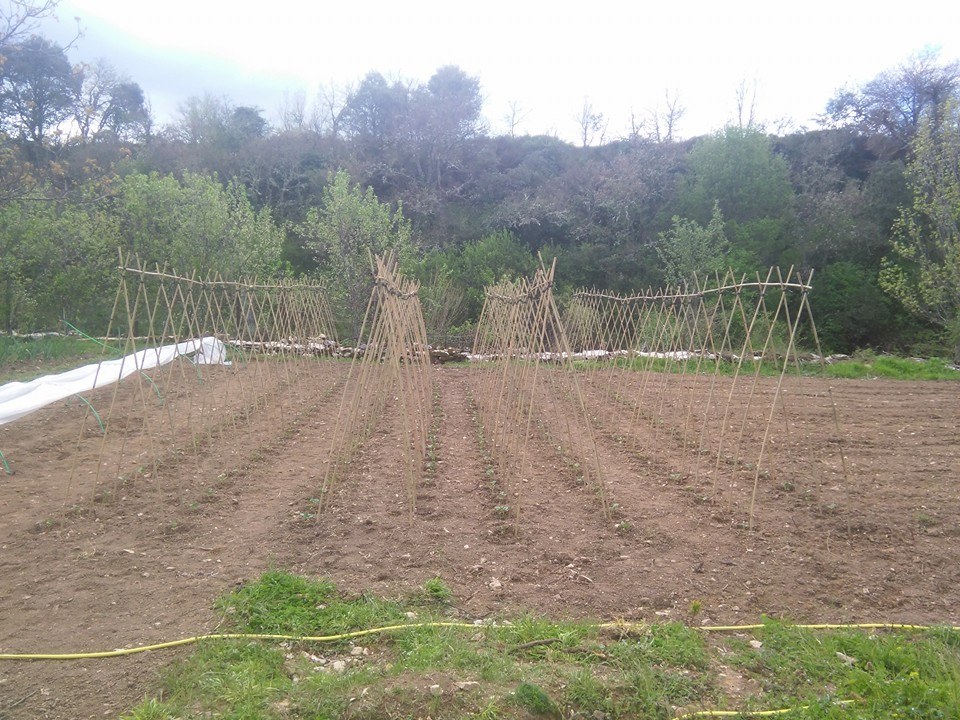
This system is widely used for creeping plants like tomato plants or climbing plants like beans. The correct way to place the canes is to wait until the plant is about 25 centimeters tall, and then carefully drive the canes into the ground on both sides, making sure not to damage the roots.
GRID-SHAPED STAKING
Bamboo canes are placed vertically and horizontally or can be reinforced with a mesh, simulating the appearance of a grid. This way, we can use the staking for both summer and autumn crops. For example, it would work for cucumbers but also for peas.
BELL OR PYRAMID-SHAPED STAKING
This is another staking method very similar to the inverted V. In fact, the canes are placed in the same way, with the difference that an additional cane is threaded through the apex and pulled taut.
These are the most popular techniques for using bamboo stakes in crops. But they are not the only ones that exist today…
Other alternative ways to stake crops
In addition to the aforementioned ways of guiding plants, below we show you alternative ways to stake crops:
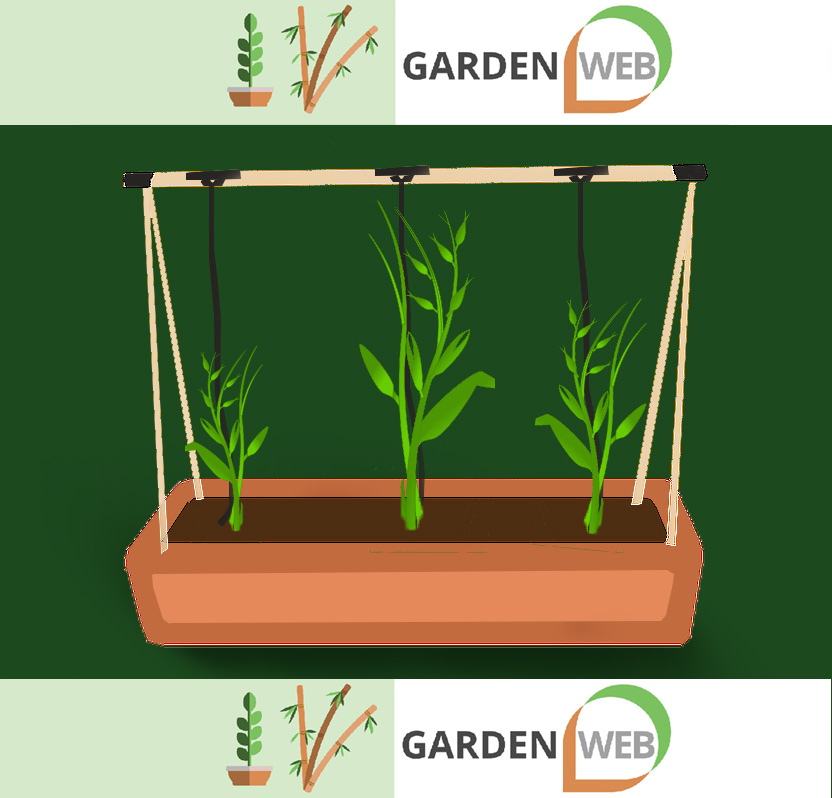
Staking with bamboo stakes in a growing table or planter
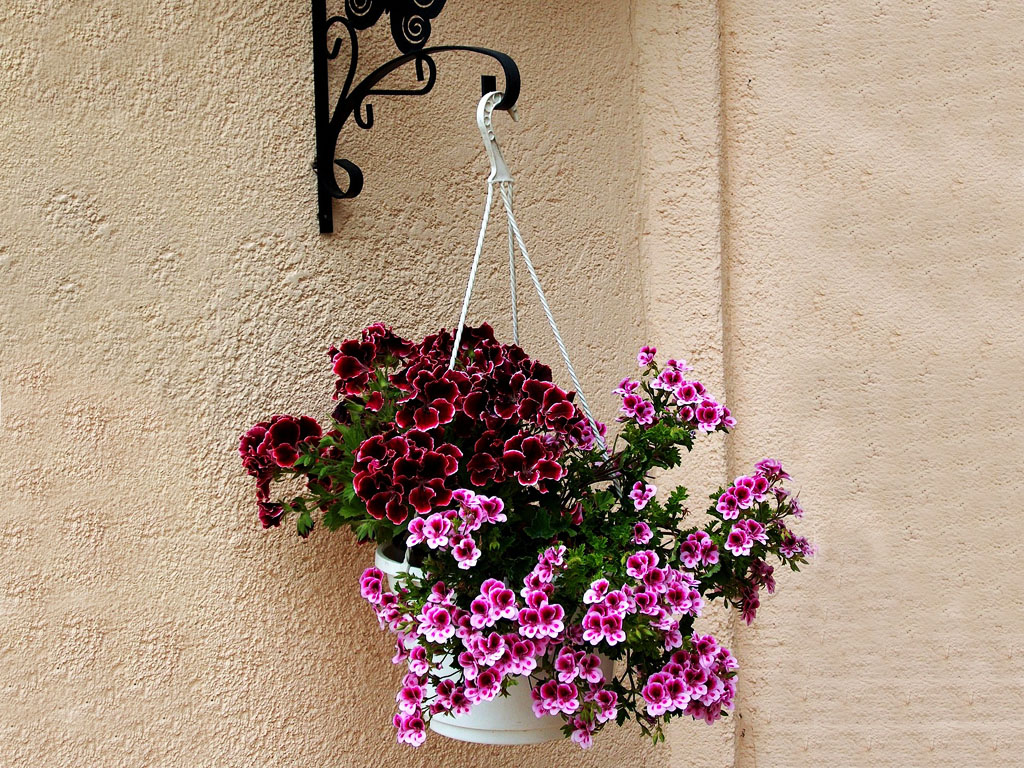
Staking with hanging hooks in a hanging pot
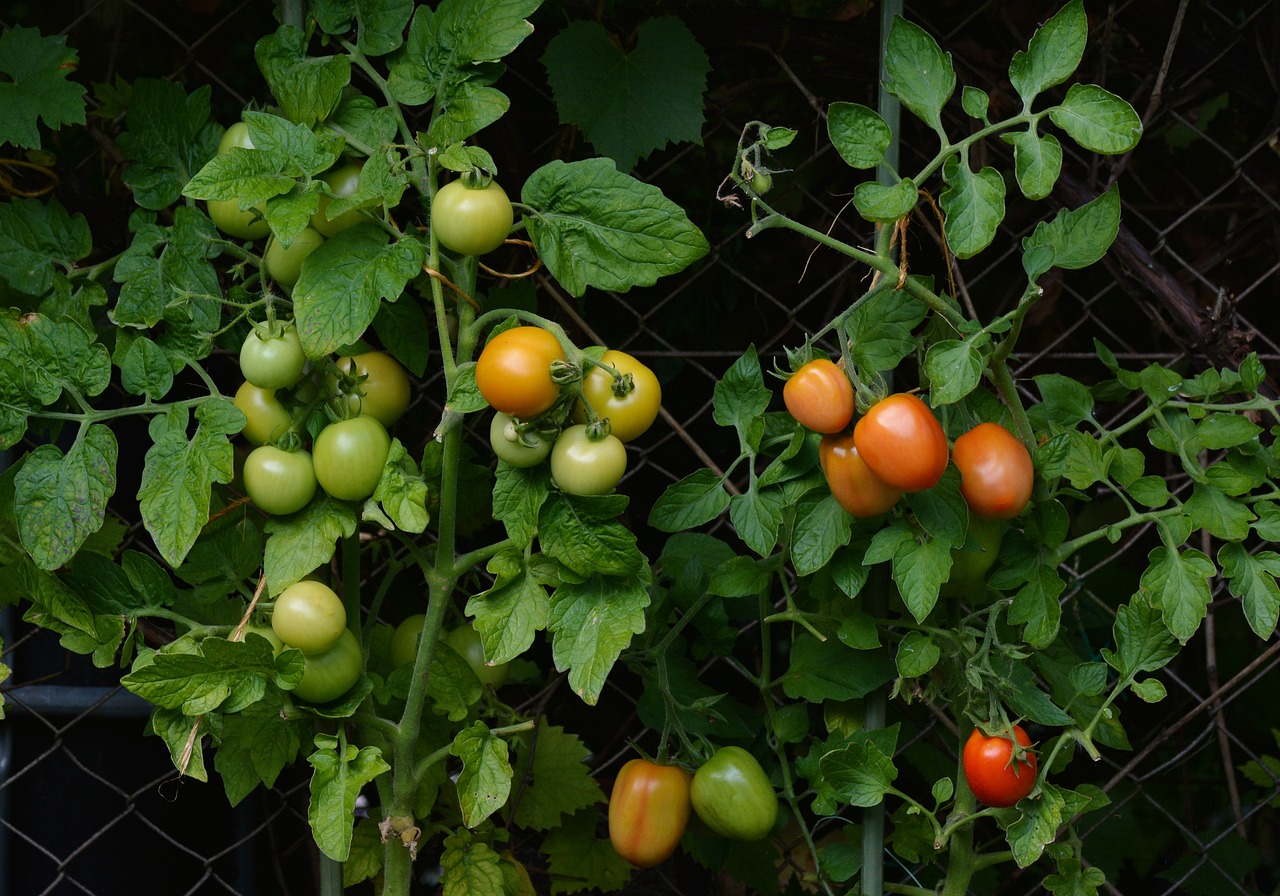
Metal mesh for staking tomatoes and other climbing plants
Bamboo trellis for climbing plants
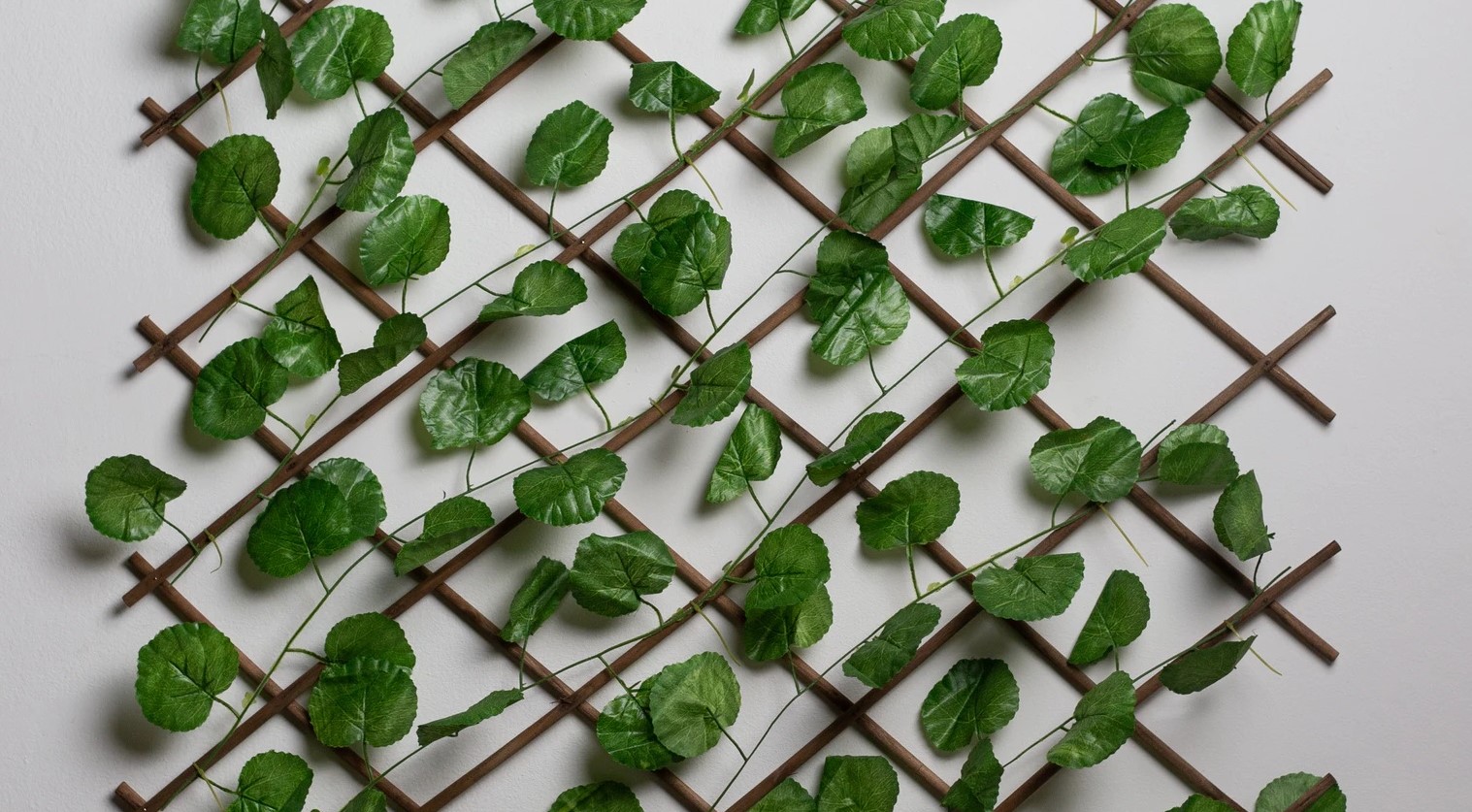
Bamboo arches for staking small plants
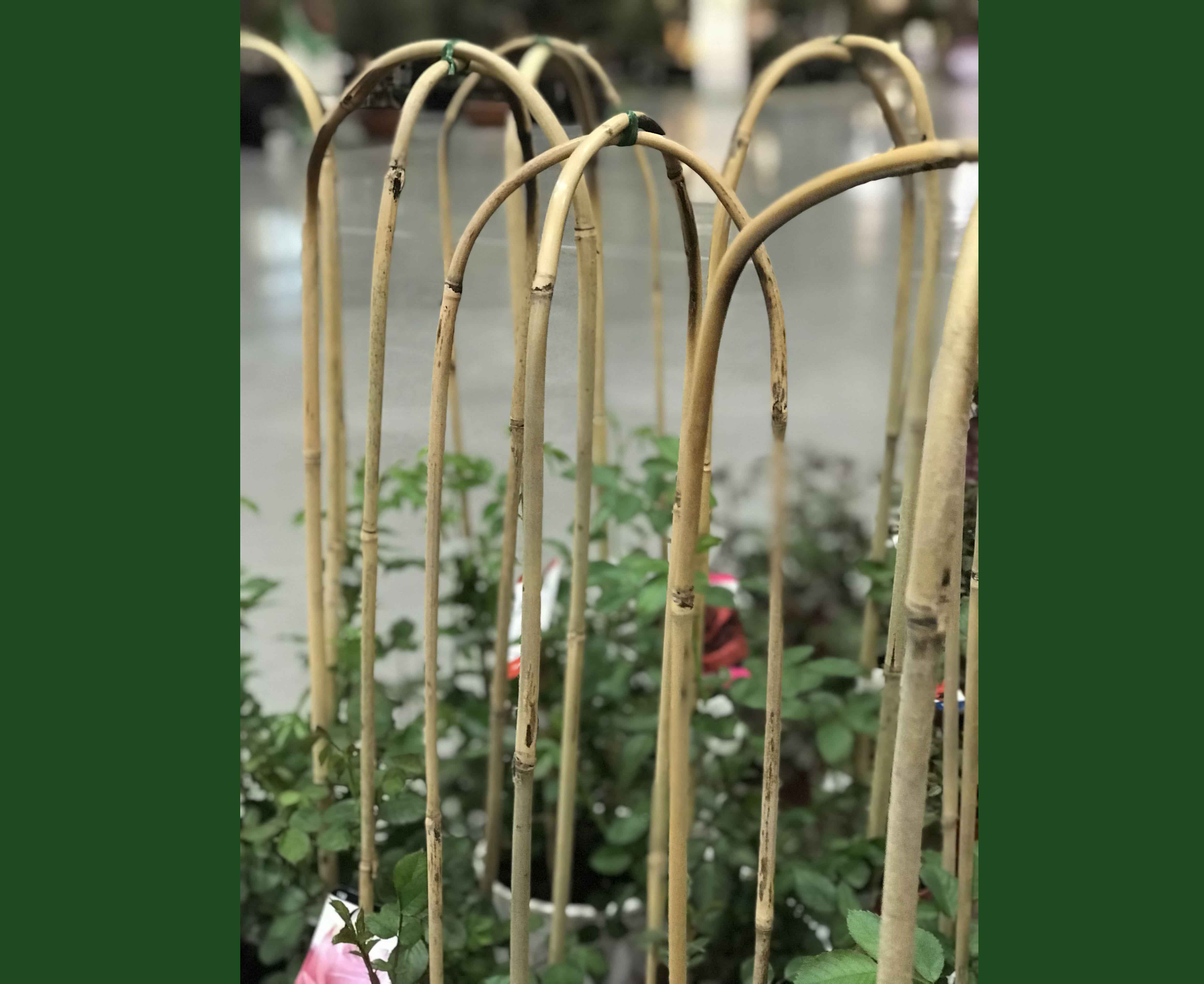
Bamboo stakes, flower sticks, arches, mesh... Everything you need to stake your crop in our online store
At GARDEN WEB, we have different staking systems so you can choose the most suitable one based on the type of plant you need to stake and its specific characteristics. Among the most popular with our customers, we highlight:
Visit our online store now and order the bamboo stakes (or other material) you need for your plants.


🌱 Leave your feedback here
We want to know what you thought of this article and, especially, if you found it helpful. If you'd like to share your experience, this is your space. We're listening!