

Before bringing new plants into your home or garden, it's essential to know which ones can pose a danger to our dogs and cats. Some popular species such as lilies, oleander, or ivy hide toxic substances that can cause everything from mild irritations to severe poisoning.
In this article from GardenWeb, you will discover which plants are poisonous to your pets, how to identify the symptoms of poisoning, and what safe and decorative alternatives you can use to maintain a beautiful and risk-free environment. An essential guide for those who love both plants and their animals.
Having a garden or a house full of plants is a pleasure, but if you share your life with dogs or cats, it is essential to know which species can be dangerous. There are poisonous plants for pets that can cause everything from mild discomfort to severe poisoning. In this post, we explain what they are, how to identify them, and what safe alternatives you can use to maintain a beautiful and risk-free garden.
Why are some plants toxic to dogs and cats?
Many common plants contain natural chemicals that act as defense mechanisms against insects or predators. However, these compounds can be harmful to domestic animals. The most common are alkaloids, glycosides, and oxalates, which can affect the digestive, nervous, or respiratory systems of dogs and cats.
If your pet tends to nibble on leaves or flowers, it's important to know which species you should avoid. This way, you can plan your garden without putting their health at risk.
List of the most common poisonous plants for dogs and cats
Below is a selection of toxic plants for pets that are often found both indoors and outdoors. You may have some in your home without knowing it.
1. Lily (Lilium spp.)

The lily is extremely dangerous for cats. Ingestion, even in small amounts, can cause kidney failure. If you have felines, avoid having this plant inside the home.
2. Dieffenbachia or "dumb cane"
This houseplant contains calcium oxalate, which can cause irritation in the mouth, tongue, and throat of dogs and cats. It is very common in homes, so it is advisable to place it out of their reach or replace it with another non-toxic species.
3. Oleander (Nerium oleander)
The oleander is one of the most poisonous plants for pets and humans. It contains cardiac glycosides that directly affect the heart. It is used as an ornamental plant, but it is best to avoid it if you have animals roaming free in the garden.
4. Philodendron (Philodendron spp.)
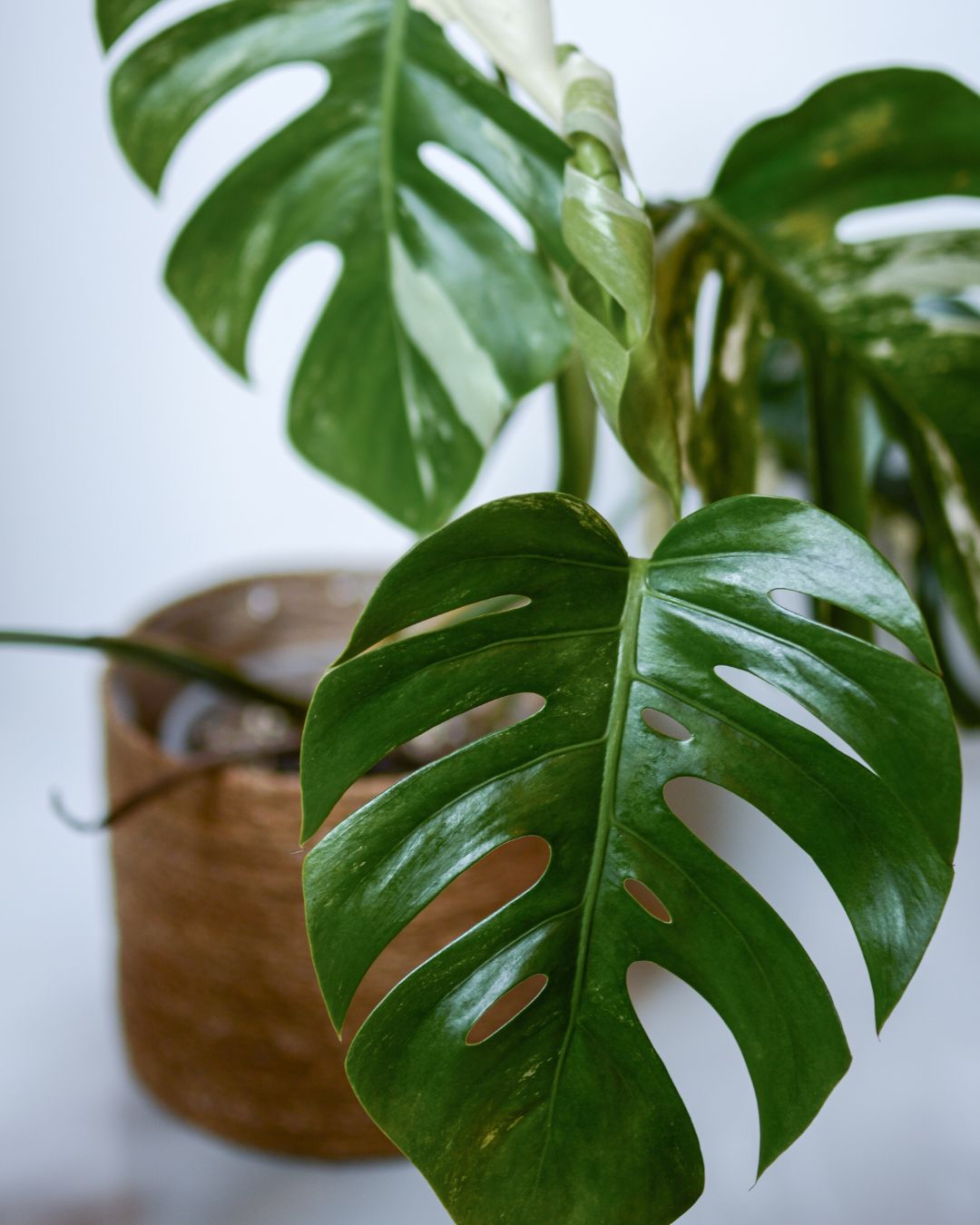
Another very popular houseplant that contains oxalates. If a dog or cat bites its leaves, it can suffer inflammation and difficulty swallowing.
5. Aloe vera
Although aloe vera has benefits for humans, its consumption can cause vomiting, diarrhea, and weakness in animals. If you have aloe at home, make sure to keep it out of your pet's reach.
Other dangerous garden plants for your pets
Bulbous plants
Tulips, daffodils, and hyacinths contain alkaloids that can cause vomiting and even heart problems if ingested in large quantities.
Houseplants

Ivy, pothos, or croton are decorative species that can cause irritation and digestive problems. Although they beautify any corner, they are not the best options for homes with curious cats.
Ornamental shrubs and trees
The fig tree, yew, and holly also make the list of toxic plants for dogs and cats. Their leaves and fruits can cause gastrointestinal and neurological disturbances.
Safe alternatives for a pet-friendly home
The good news is that there are many plants that are safe and decorative. These are some options for having a pet-friendly garden:
- Areca palm: perfect as a houseplant, it is non-toxic and purifies the air.
- Lucky bamboo (Dracaena sanderiana): as long as it is not ingested, it is a sturdy and safe option.
- Parlor palm (Chamaedorea elegans): elegant and risk-free for dogs or cats.
- Boston fern: ideal for humid interiors, completely safe.
How to protect your pets from toxic plants
In addition to choosing safe plants, there are some precautions you can take at home:
-
Place plants out of reach of your pets, especially if they are curious.
-
In gardens, delimit areas with weed control fabric or borders to prevent access to risk areas.
-
Observe your pet's behavior. If you notice vomiting, excessive drooling, or lethargy, go to the vet immediately.
What to do if your pet has ingested a poisonous plant
In case of suspected poisoning, do not try to induce vomiting or administer home remedies. Call the veterinarian as soon as possible and provide the name of the plant you think your pet has ingested. If you don't know it, take a sample or photo to facilitate diagnosis.
Emergency veterinary phone numbers
Save your trusted veterinarian's number and your local emergency number on your phone. In Spain, you can also consult the Spanish Association of Small Animal Medicine to locate nearby clinics.
Conclusion: care for your plants and protect your pets

Knowing about poisonous plants for dogs and cats will allow you to enjoy a green and safe home. At GardenWeb, we help you take care of your garden with quality products and useful tips to keep your natural spaces healthy for all family members—including the furry ones.


🌱 Leave your feedback here
We want to know what you thought of this article and, especially, if you found it helpful. If you'd like to share your experience, this is your space. We're listening!