

Did you know that pruning in spring can be beneficial for some plants?
Although this practice is also carried out at other times of the year, such as autumn and winter, spring pruning is highly recommended both to remove dead or cold-damaged stems and leaves and to ensure a good harvest of flowers.
However, just as pruning can bring us advantages, if we do it incorrectly, it can have very serious consequences for our plants. Therefore, in Gardenweb's new post, we explain how and what to prune in spring.
What to do BEFORE pruning in spring: DISINFECT YOUR TOOLS
It is important that before you start pruning your plants, you take a look at your garden tools. Are they clean, or do you observe signs of dirt and rust on them? If it's the latter, you'll have to disinfect them obligatorily before pruning any crop, otherwise, you'll be encouraging the appearance of fungi and bacteria that could damage your plants.
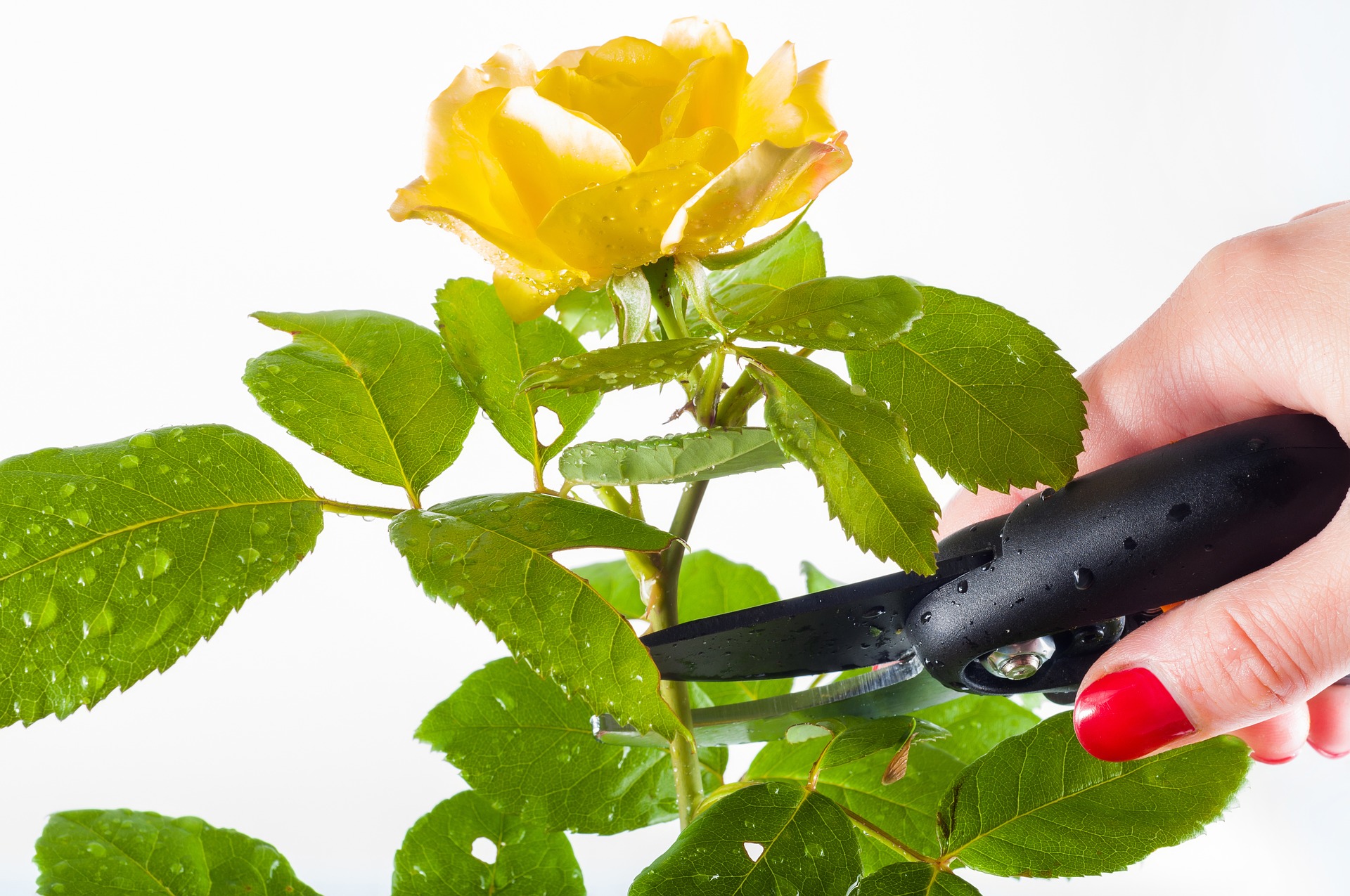
What to prune in spring
The arrival of spring does not mean that we should prune all our plants. Below, we explain which crops we can prune during this time of year:
-
Deciduous woody plants: this group can include trees such as ornamental cherry, almond, and walnut trees, among others. In this case, only dead and crisscrossed branches will need to be pruned.
-
Fast-growing deciduous shrubs: this group includes plants such as Japanese quince and golden bell (scientifically known as Forsythia x intermedia). In this case, we will perform a flowering prune which will consist of removing half of the branches that produced about 10 flower buds below the rest.
-
Plants with a stable shape: in this section, we find crops such as dracaenas, phormiums, and aralias. In this case, you will have to remove dead leaves and old flower stalks from the base.
-
Hardy climbers: such as ivy, wisteria, or Virginia creeper.
What to do AFTER pruning your plants
This task of removing leaves and stems from plants does not end once pruning is complete. You must bear in mind that wounds can occur in trees during pruning. Therefore, if we leave these wounds open, the only thing we will achieve is that some insects, bacteria, or fungi can enter through them, seriously endangering the health of the pruned plants.
To avoid these serious consequences, it is absolutely essential that after pruning, we cover the wounds with products known as healing paints. In our online store, you can find AICL brand healing balm. This healing paste, composed of resins and vegetable oils, will form an elastic film that will protect, heal, and scar the wounds caused during pruning.
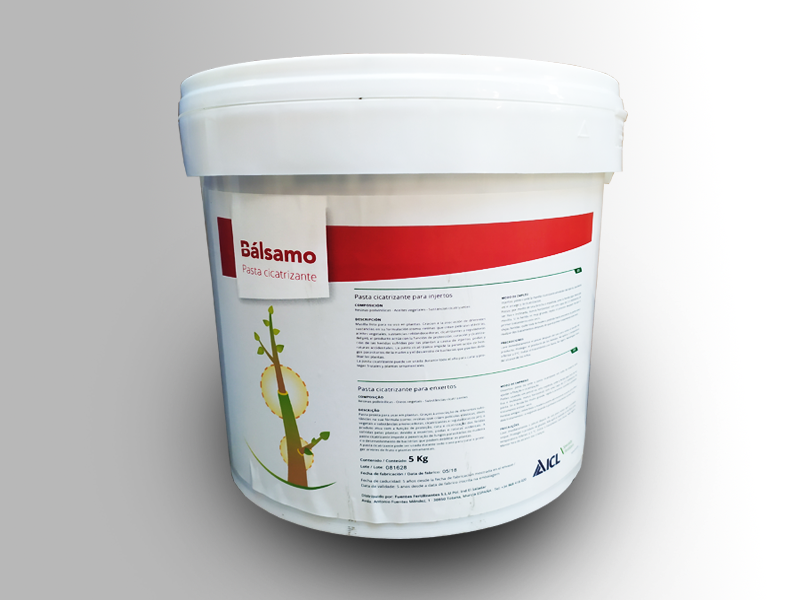
Buy your healing balm and other GARDEN WEB items to protect you during pruning
In addition to protecting your trees with healing balms from our online store, it is also important to protect yourself during pruning. For this, we have different products for gardening work such as leather gloves and safety footwear. Take advantage of your order of healing pastes and add these items to your shopping cart that will make pruning much more bearable.
Remember that if you have any questions, we are available to answer them through the following contact methods:
- info@gardenweb.es
- 966633661
- Contact form
You can also find us on social media such as Facebook, Instagram, and Twitter.


🌱 Leave your feedback here
We want to know what you thought of this article and, especially, if you found it helpful. If you'd like to share your experience, this is your space. We're listening!