

What's Wrong With My Plants? - A Guide to Identifying Diseases and Deficiencies (PART 2)
info@gardenweb.es User
Today we published the second part of our guide to identifying plant diseases and deficiencies, where we explain the symptoms you will find if your plants have any nutritional deficiency.
If in another post we talked about the most common diseases suffered by both indoor and outdoor plants, today we focus on learning about nutrient deficiencies and what symptoms they cause in plants to detect them in time and know how to choose the right substrate and fertilizer.
How to detect if our plants are lacking nitrogen?
When there is a lack of NITROGEN, an essential nutrient indispensable for the correct development of plants, the leaves lose their intense green and gradually turn yellow and weak.
Normally, a lack of nitrogen is due to poor substrate that does not receive any treatment with fertilizers or manures. Hence the importance of knowing what what we are going to plant needs in order to provide it with the most appropriate nutrients.
Phosphorus deficiency - How to detect it?
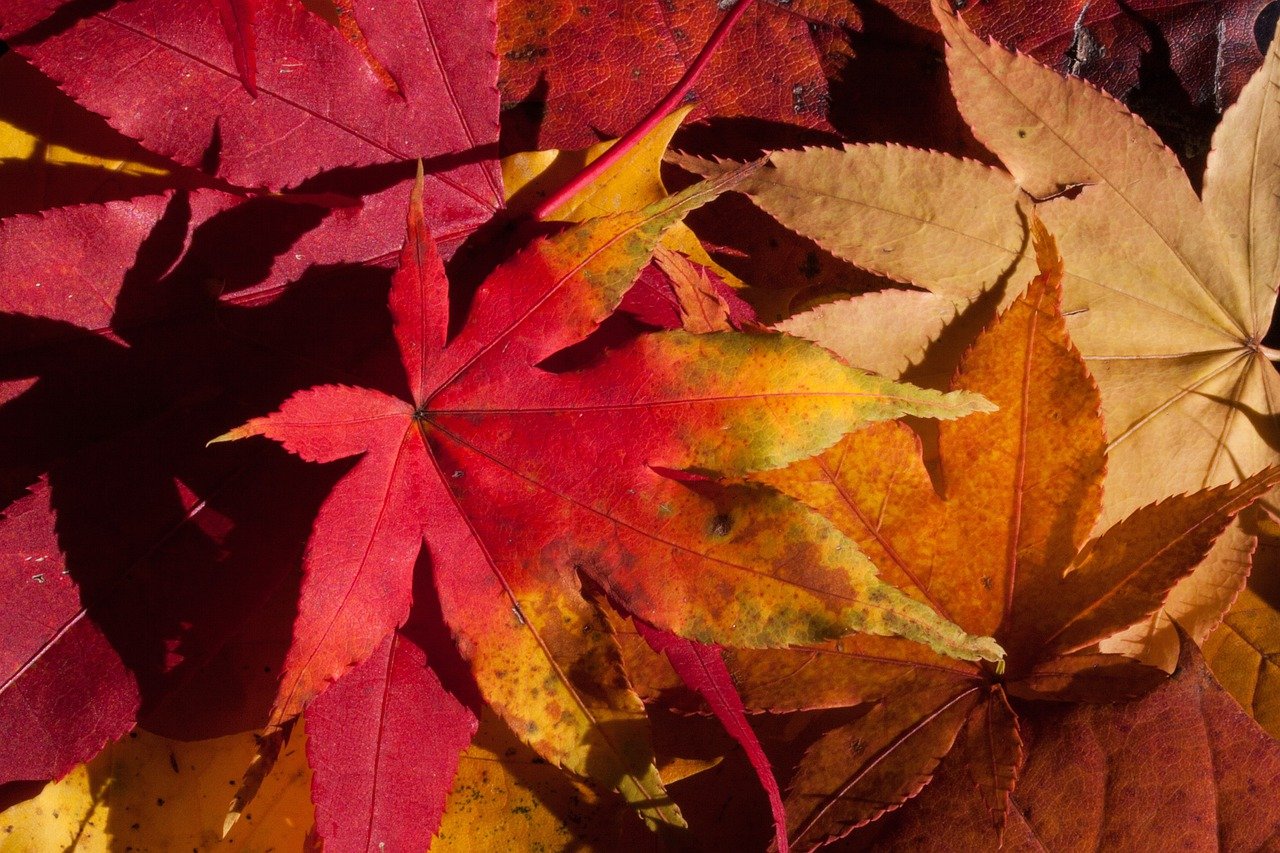
Phosphorus is an important nutrient for the functioning of our plants, especially for some key processes such as photosynthesis and metabolism.
Therefore, if they have a deficiency of such a key nutrient as phosphorus, our plants will begin to wilt. We will notice this when they begin to show dark and dull foliage, with brown or reddish edges.
The cause of this deficiency is due to fertilizers with low phosphorus, an imbalance in pH, or temperatures that are too cold, below 10 degrees Celsius.
Other nutritional deficiencies in our plants
In addition to the previous deficiencies, we explain other deficiencies that can affect your plants.
Lack of potassium in plants
When the deficiency is caused by a lack of POTASSIUM, the first thing we will detect will be a necrosis of the edges of the plants. This deficit appears when soils have low potassium levels during the flowering season.
Symptoms of magnesium deficiency
If our plant lacks MAGNESIUM, the first thing we will notice will be a yellowing of the leaves, especially in the upper part, which will gradually turn black, dry out, and cause them to fall off. One of the causes of this deficiency is excessive humidity, high soil acidity, and an excess of potassium and calcium.
Calcium deficiency in our plants
If the deficit has to do with CALCIUM, we will notice how the youngest leaves deform and curl downwards. If the deficiency is high, necrosis will occur in the leaves and the plant's growth will stop. This deficiency is due to a pH that is too low and a substrate to which the appropriate fertilizer has not been applied.
How to detect iron deficiency
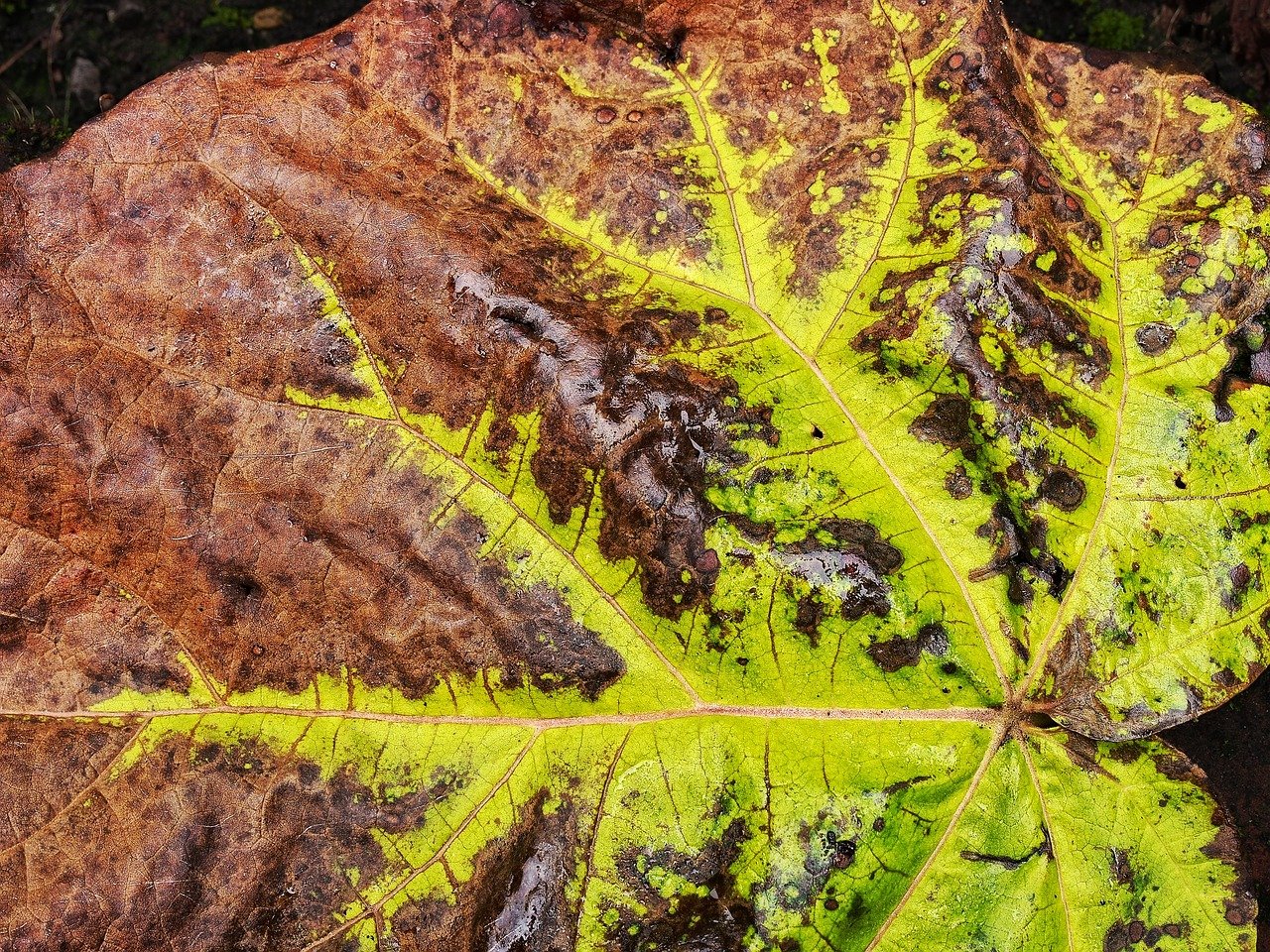
When IRON is the deficiency affecting our plant, the first thing we will notice will be an excessive discoloration of the leaves, turning almost white. This deficit arises from a pH that is too high.
Buy all the materials you need to keep your plants always in good health
We take this opportunity to invite you to visit our online store where we have all kinds of materials and tools for agriculture, gardening, and nursery. Enter now and place your order online, without having to leave home or carry heavy items from a physical store, as we will deliver it wherever you want.


Related products


Plant Marking Tape | Box of 5 Rolls
Plant Marking Tape | Box of 5 Rolls
€20,09
Sale price
€20,09
Regular price

Healing Balm - Professional Healing Paste for Grafts and Pruning
Healing Balm - Professional Healing Paste for Grafts and Pruning
€58,06
Sale price
€58,06
Regular price


Ficote Total – Encapsulated controlled-release fertilizer for nurseries
Ficote Total – Encapsulated controlled-release fertilizer for nurseries
€138,30
Sale price
€138,30
Regular price
Subscribe to our emails
Want more gardening tips and exclusive offers? Join our community.
🌱 Leave your feedback here
We want to know what you thought of this article and, especially, if you found it helpful. If you'd like to share your experience, this is your space. We're listening!