

Why doesn't my poinsettia have red leaves?
info@gardenweb.es User
The Poinsettia is a quite popular plant during the Christmas season, so many gardens and professionals usually grow it to ensure its leaves are red for these dates.
The Poinsettia, also scientifically known as Euphoria pulcherrima, is a very popular plant in the world of gardening as it is usually sold during the Christmas season. This is because precisely during this period, the Poinsettia begins its flowering stage, which is noticeable because its leaves turn a very intense and beautiful red color.
However, if you are reading this Gardenweb article, it’s because this season is approaching and your plant is still green: “Why doesn’t my Poinsettia have red leaves yet?” you might ask yourself. Keep reading these lines and find out!
Why doesn't my Poinsettia have red leaves? – HERE'S THE ANSWER
As we have indicated, the Poinsettia is a very typical plant during the Christmas season as it is when its leaves turn a very beautiful red color due to flowering. However, it is quite common (especially among novice or amateur gardeners) for Poinsettias to have green leaves. But why does this happen?
The reason its leaves are green is precisely because your Poinsettia has not flowered correctly, and this can be due to two reasons:
-
Out of its flowering season: As we said, this phase occurs during December, so don't expect the Poinsettia to flower during other times of the year.
-
It has not received the adequate conditions: The leaves of this flower are bracts that serve to prepare the flowering of this plant. Therefore, if we have not taken good care of it the rest of the year, it will surely not have red leaves when winter arrives, but rather they will remain green or a pale pink.
How to get your Poinsettia to have red leaves
Below, we give you a series of tips to ensure your Poinsettia has red leaves this year:
-
Dormancy: If you already have the Poinsettia from the previous year, it is best to let it rest after the flowering season. That is, after Christmas, water it only once a week and place it in a cool spot. Avoid placing it in areas with heat sources.
-
Prune it at the end of January: If you want the leaves to be red, you will need to cut its branches to about 10 centimeters. However, this pruning is only recommended if the plant has shed its leaves. Also, when pruning, remember to disinfect the pruning shears.
-
Replant it in spring: When the weather warms up, it will be advisable to replant this flower. To do this, use a mixture of universal substrate, worm castings, and sand in the new pot. This way, we will ensure that the plant has good drainage and a good supply of nutrients.
-
Leave it in a dark place during autumn: It is important that between September and October you provide sessions of darkness for the Poinsettia.
Do you professionally grow Poinsettias? Then at GARDEN WEB, we have the perfect product: the Poinsettia Mix
If you own a garden center or are professionally dedicated to growing Poinsettias, you will know that this plant has quite specific nutritional needs. To meet them, we recommend purchasing the Peters Professional Poinsettia Mix fertilizer, which has modified levels of boron, zinc, and molybdenum for these plants to grow with perfect quality.
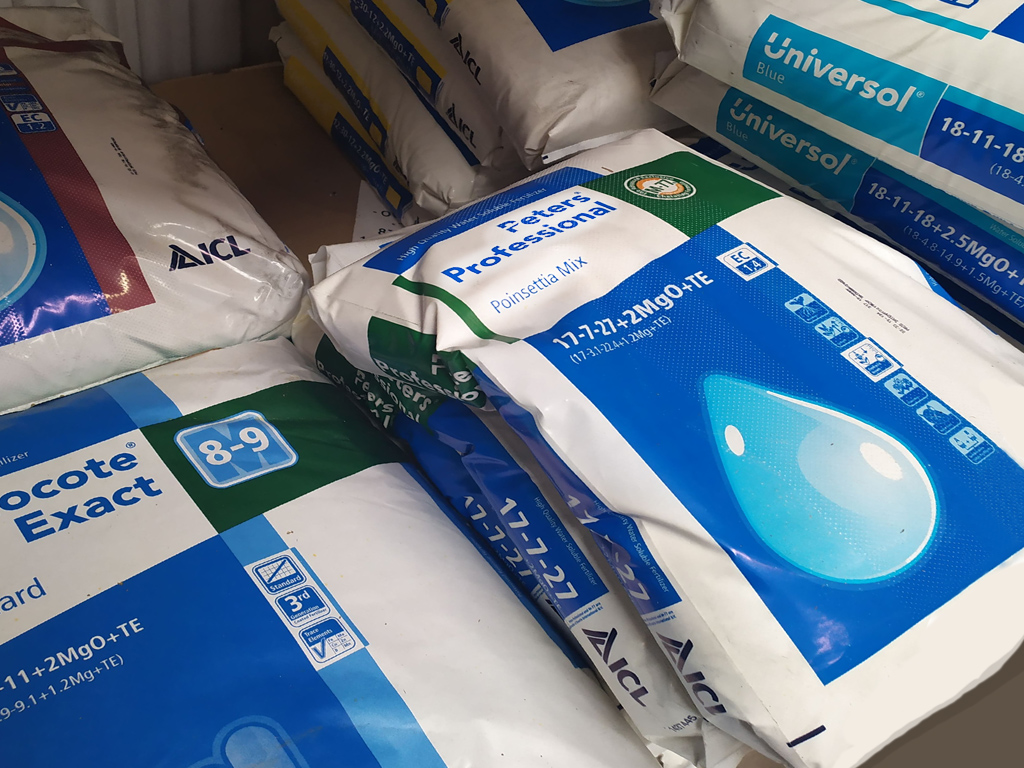 In addition to this specific fertilizer, we also have other basic gardening products for growing Poinsettias, such as universal substrate, cheap and decorative production pots, and healing balm if you wish to prune them.


Related Products


Peters Professional – High-precision soluble fertilizers for demanding crops
Peters Professional – High-precision soluble fertilizers for demanding crops
€103,02
Sale price
€103,02
Regular price

Plant Support for Pots: The Secret to a "Premium" Plant
Plant Support for Pots: The Secret to a "Premium" Plant
€0,16
Sale price
€0,16
Regular price


Subscribe to our emails
Want more gardening tips and exclusive offers? Join our community.
🌱 Leave your feedback here
We want to know what you thought of this article and, especially, if you found it helpful. If you'd like to share your experience, this is your space. We're listening!