

Soil pH: Why maintain it properly?
info@gardenweb.es User
Soil pH is a value that measures the acidity and alkalinity of the soil, and the scale ranges from 0 to 14. If the soil pH is below 7, the soil is said to be acidic, and if it is above this value, we consider it alkaline. But, why is it so important to maintain adequate soil values for our plants?
Soil pH is a value that directly influences the absorption of nutrients by plants, so if it is not at the correct value, we run the risk of our crops being damaged. Therefore, in the following GardenWeb article, we will give you a series of tricks and tips to maintain the appropriate soil pH for our crops. Keep reading!
What is the most suitable soil pH for plants?
As we mentioned, soil pH is a value that ranges between 0 and 14 and measures the acidity and alkalinity of the soil:
-
Acidic soil: when the pH is less than 6, we say the soil is acidic. In this type of soil, some nutrients such as nitrogen, potassium, and phosphorus are more difficult to absorb. In addition, in these cases, other nutrients such as manganese or aluminum can become toxic to plants.
-
Alkaline soil: when the pH is greater than 7, we consider the soil to be alkaline. This means that nutrients such as iron, manganese, zinc, phosphorus, and copper are more difficult for vegetables to absorb.
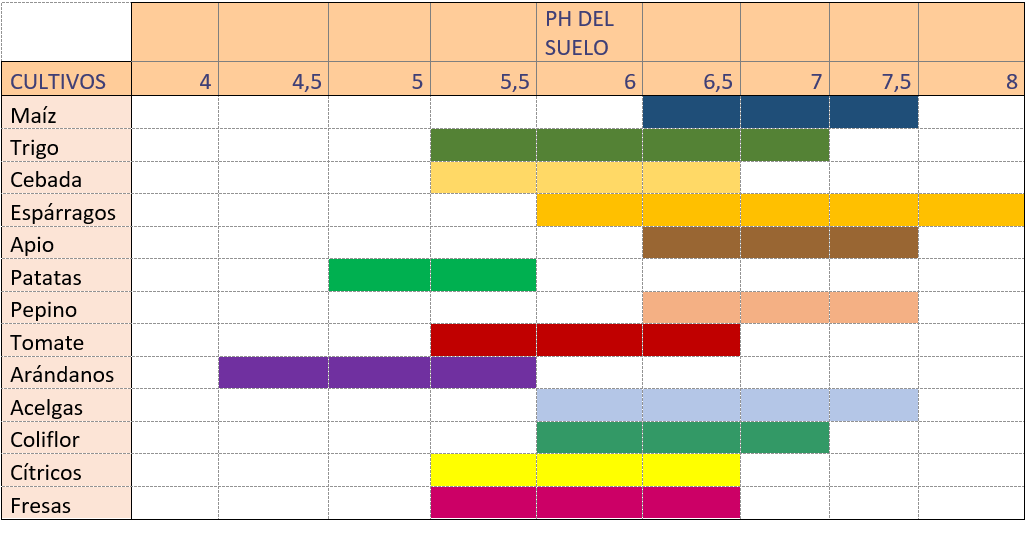
So: “what is the most suitable soil pH to keep my crops in good condition?” you might ask. Although there is no exact value, most plants prefer soil that has a pH around 5.5 and 7.0. However, in the next section, we provide a table of values for some plant species.
Table of values for some crops
Although generally the appropriate soil pH value is between 5.5 and 7.0, below we will provide a table with the values for certain crops:
How to adjust soil pH:
As we have seen, some crops need a more acidic soil or, on the contrary, a more alkaline one. Therefore, in this section, we will give you some basic notions on how to adjust the soil pH according to the needs of your plants:
For more acidic soil:
- Elemental sulfur: the use of this product is generally applied in spring for maximum effectiveness. For optimal results, it is advisable to work it directly into the soil.
- Aluminum sulfate: it acts much faster in the soil. However, due to the drastic change it produces in pH, there is a risk of burning the roots of the crops.
In addition to these substances, we also recommend our bales of blonde peat, a fibrous material that helps acidify the soil before new plantings.
For more alkaline soil:
To make our soil pH more alkaline, we can use two types of lime: calcite, which provides calcium to the soil while adjusting the pH. And dolomitic, which supplies both calcium and magnesium. If your soil still shows very high levels of magnesium, you will have to use calcite. However, if the soil has a deficiency of this nutrient, it will be better to apply dolomitic.
Enrich your soil by applying some of our universal substrates, rich in nutrients and beneficial for your plants
In addition to the tips we have given you throughout this article, remember that at GARDEN WEB you can find universal substrate that will help you enrich the soil due to its richness in different nutrients.
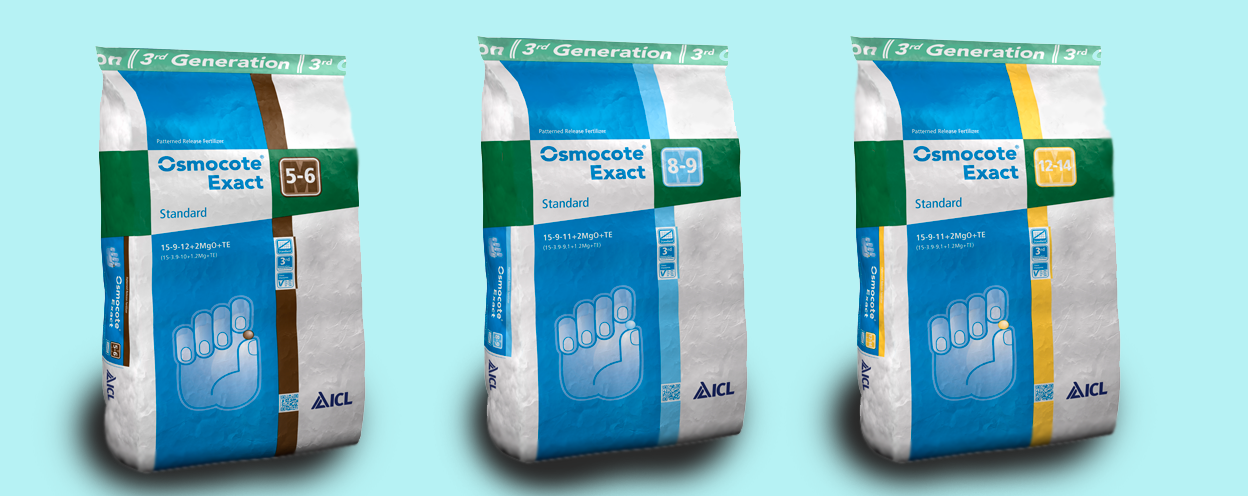 Do your plants need an extra supply of any nutrient? Well, also in the online store you can find fertilizer bags that will adapt to any needs your crops may have.


Related products


Osmocote Exact Standard – Controlled release fertilizer for professional nurseries
Osmocote Exact Standard – Controlled release fertilizer for professional nurseries
€190,29
Sale price
€190,29
Regular price


Universol – Precision plant nutrition for nurseries and fertigation
Universol – Precision plant nutrition for nurseries and fertigation
€67,12
Sale price
€67,12
Regular price


Peters Professional – High-precision soluble fertilizers for demanding crops
Peters Professional – High-precision soluble fertilizers for demanding crops
€103,02
Sale price
€103,02
Regular price
Subscribe to our emails
Want more gardening tips and exclusive offers? Join our community.
🌱 Leave your feedback here
We want to know what you thought of this article and, especially, if you found it helpful. If you'd like to share your experience, this is your space. We're listening!