

What is the difference between the terms organic, biological, and ecological? This is one of the most frequently asked questions among people interested in agriculture.
Often, when we talk about a topic related to organic farming, we tend to make the mistake of using these terms as if they were synonyms. However, while they may sound similar, they do not have the same meaning. In the following GARDEN WEB article, we will explain the differences between organic, biological, and ecological. Keep reading!
Meaning of organic product

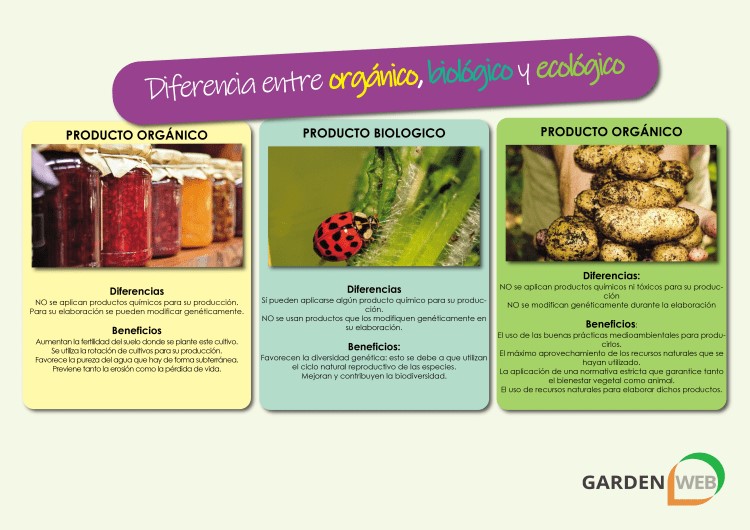
When we say a product is organic, we mean that no chemical products like pesticides or chemical fertilizers were applied during its production. Thanks to this, organic products are beneficial for people with certain allergies as well as for the environment. However, organic should not be confused with biological, because even if chemical substances have not been applied, they may still have been produced with genetically modified elements.
In addition to these characteristics, organic products also stand out for the following benefits:
-
They increase the fertility of the soil where the crop is planted.
-
Crop rotation is used for their production.
-
They promote the purity of groundwater.
-
They prevent both erosion and loss of life.
What is a biological product
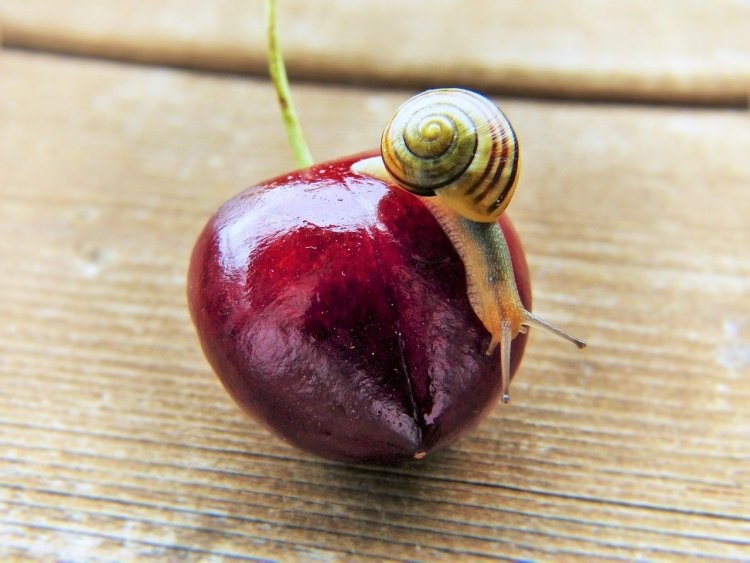 Unlike the previous one, biological products are those that do not contain any genetically modified components, as happens with some fruits and vegetables whose appearance or volume can be altered. That is, the use of natural selection of species is chosen. This type of product also stands out for these benefits:
-
They promote genetic diversity: this is because they use the natural reproductive cycle of species.
-
They improve and contribute to biodiversity.
What it means for a product to be ecological
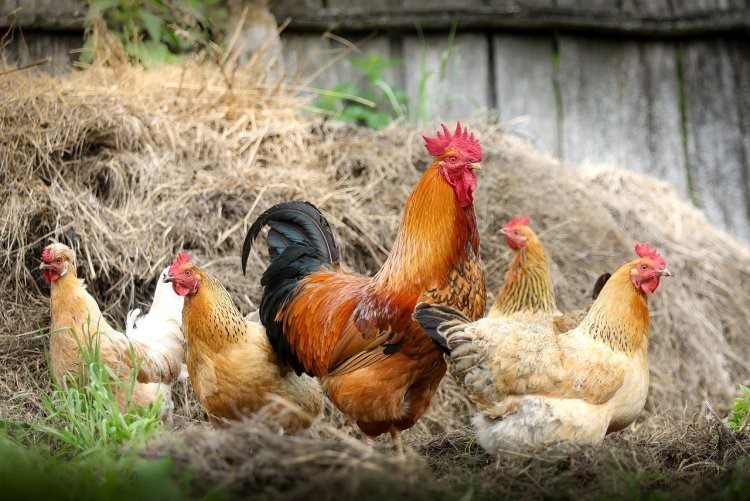
An ecological product is one that develops naturally at all stages of its growth. That is, no artificial or chemical substances are applied during production. Due to this, products with an ecological certificate guarantee:
- The use of good environmental practices for their production.
- The maximum utilization of the natural resources used.
- The application of strict regulations that ensure both plant and animal well-being.
- The use of natural resources to elaborate said products.
Organic, biological, and ecological: the importance of labeling
Many companies are taking advantage of the ecological boom to sell their products as organic, biological, or eco without them truly being so. Therefore, it is very important to ensure that the product has a label marking it as organic, biological, and ecological, and that it also bears the name of the certifying entity. However, only these three terms are valid: if you find a label that says "natural," it's wise to be suspicious, as many brands use it deceptively to try to sell a conventional product.
So… what is the difference between organic, biological, and ecological?
Would you like to enjoy organic vegetables and fruits? Now it's possible with GARDEN WEB gardening products
In addition to buying from small producers who grow organically, we can also start planting more natural vegetables in our urban garden. At GARDEN WEB, we have many gardening products that will help you make it possible, such as our natural bamboo canes for staking; the universal substrate with black and blonde peat; the production pots, which are economical and made of thermoformed plastic; and our cell and forestry trays that you can reuse several times.
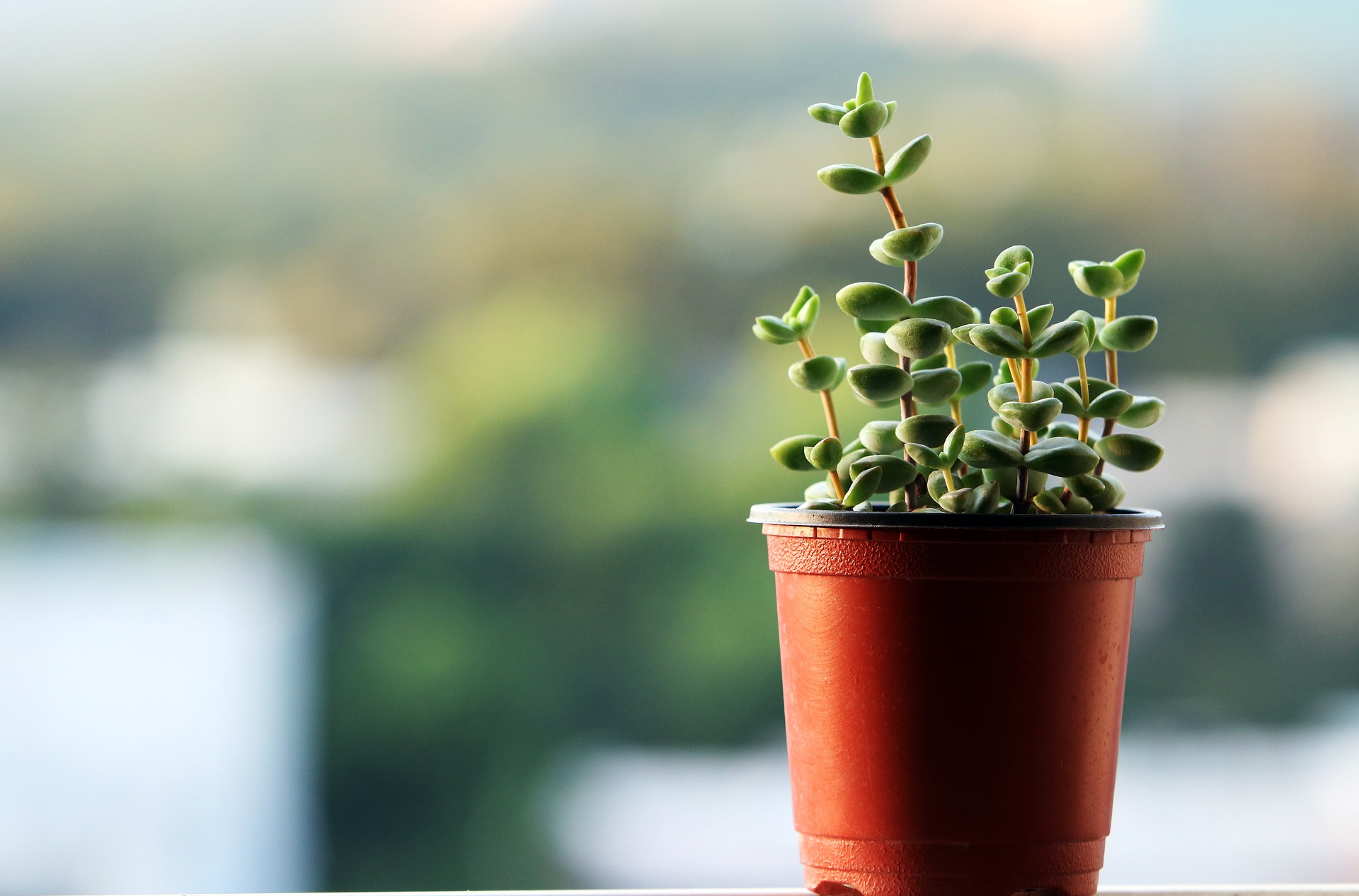
All this and more can be found in our online store where you can make your purchase easily and simply.


🌱 Leave your feedback here
We want to know what you thought of this article and, especially, if you found it helpful. If you'd like to share your experience, this is your space. We're listening!