

Are you familiar with vermicompost? If not, we recommend you continue reading this Garden Web article.
Vermicompost, also known as worm castings, is an organic and ecological fertilizer produced from soil that has been previously digested by worms, thus creating a natural material that is very beneficial for our plants as it keeps them healthy and protected from fungi and bacteria. Below, we will explain in more detail what vermicompost is and how to make it at home.
What is vermicompost?
As we have already mentioned, vermicompost is a 100% organic and natural fertilizer consisting of the natural material left by worms after digesting soil. This returns in the form of decomposed earth mixed with the excrement of these insects, which gives it an excellent nutrient composition. Because of this, it has a great capacity to both retain water and aerate the soil. Therefore, it is an excellent compound for keeping our plants in good condition.
How to make vermicompost
To make this organic and ecological fertilizer, it is important that we have these materials:
-
Worms: it is advisable to choose Californian red worms as they reproduce quickly and devour large quantities of soil.
-
Worm composter: to make vermicompost, we need a specific composter for worms. If you don't have one, we recommend you buy two carrying trays from our online store.
-
Substrate: we recommend you choose our universal substrate composed of black peat and blond peat.
-
Vegetable waste: this will promote the health of the worms.
Step-by-step to make vermicompost:
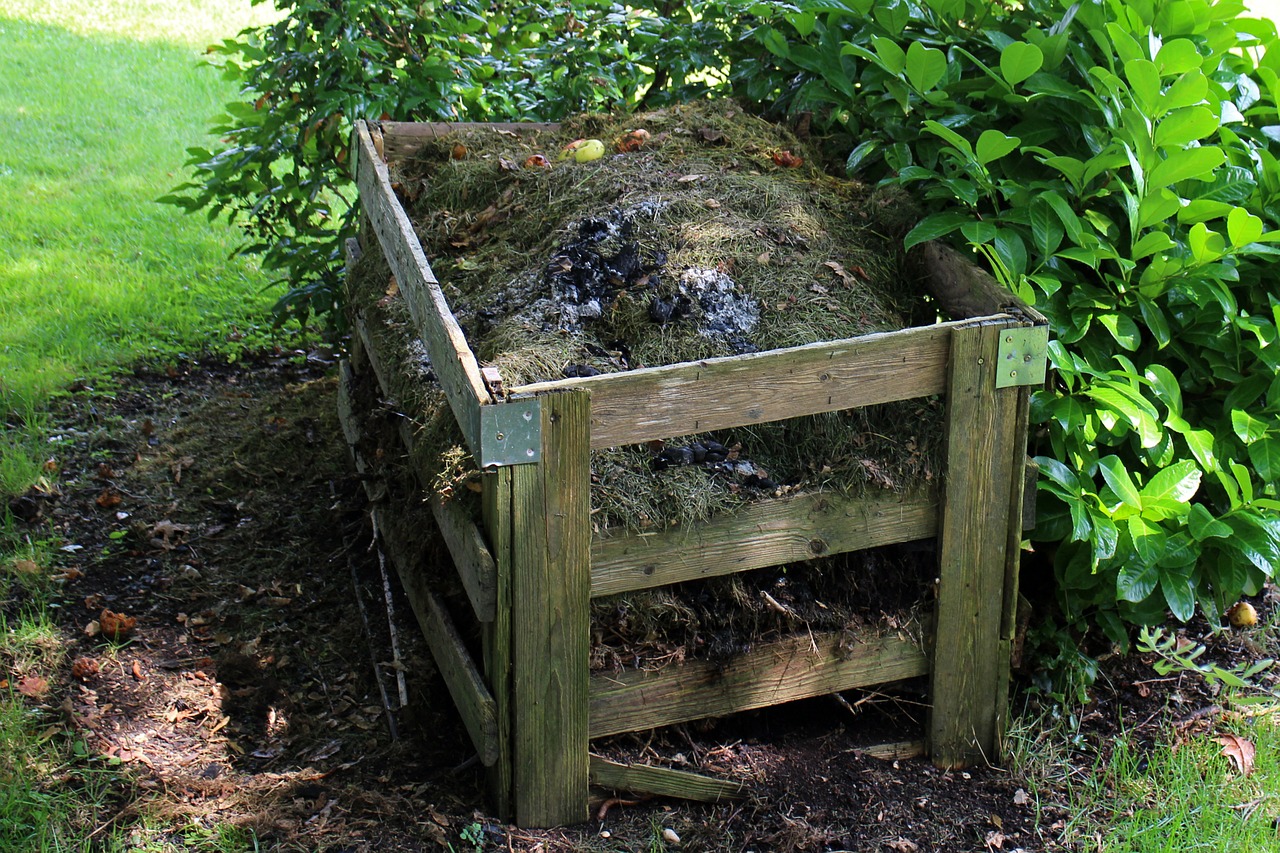
-
If you don't have a worm composter, first you will need to drill holes in the lid and bottom of the top tray, making one hole slightly larger than the diameter of a worm.
-
Next, you will need to prepare a kind of drain in the bottom tray: to do this, make a hole the size of a bottle neck at one end of the bottom and then insert the neck of a plastic bottle through it.
-
Now take the bottom of the plastic bottle and embed it in the center of the bottom box. This way, any worms that might fall down will be in this place and we will prevent them from suffering harm.
-
Once we have the worm composter, we will have to place it in a ventilated area. Add a layer of peat to the top tray and then add both the worms and some lightly chopped vegetable waste.
-
The worms will produce the vermicompost over a few weeks. As you will observe, both solid and liquid vermicompost will fall into the bottom tray.
Looking for affordable gardening products to make your homemade composter? Visit GARDEN WEB and order your materials at the best possible price.
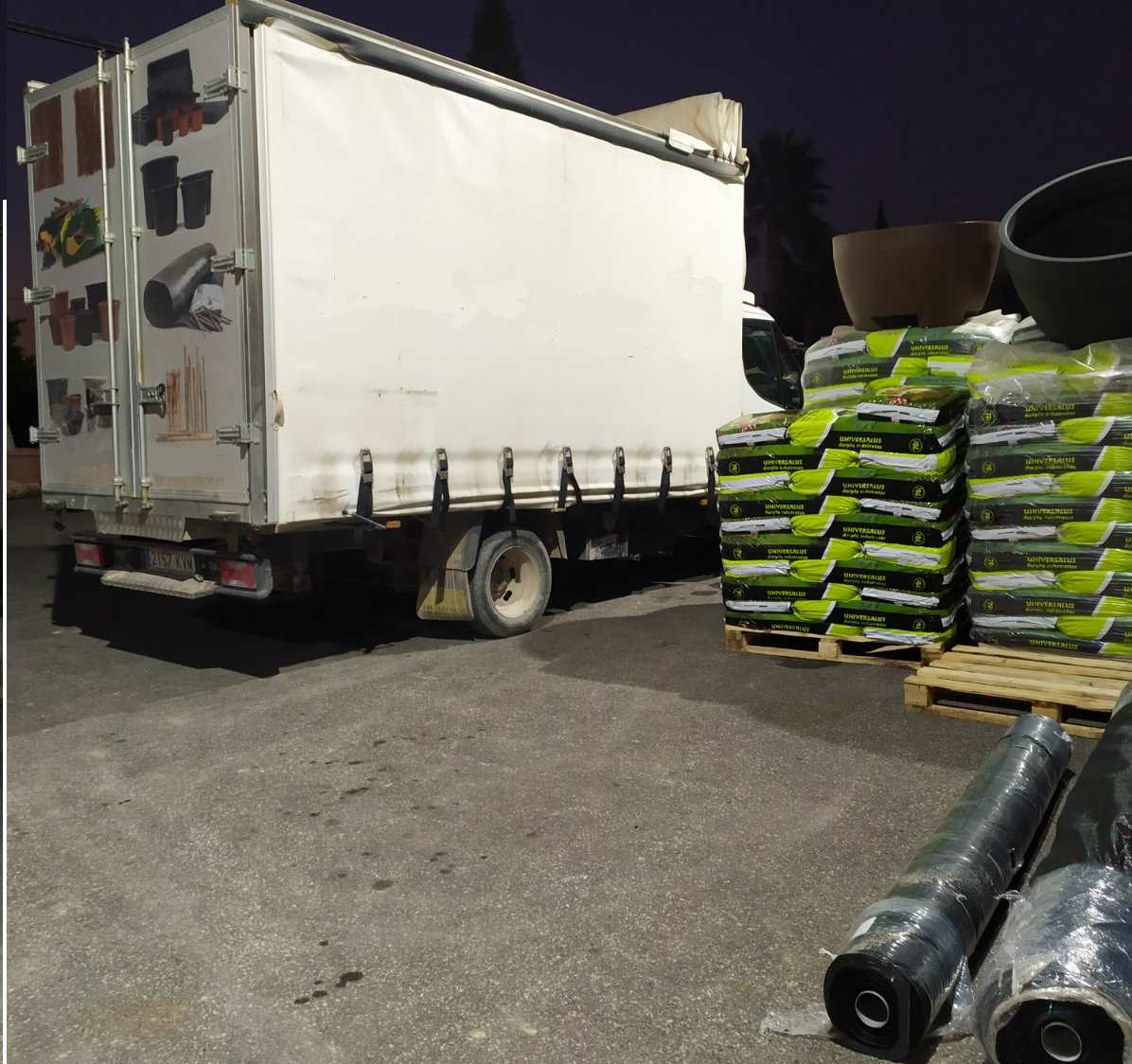
If you are missing any materials to make these composters at home, we recommend you visit our store and buy gardening products online such as triple twist fencing, welded mesh, wooden battens, or carrying trays, among other things you need for these tools. You will also find other items that will help you in your gardening tasks, such as leather gloves and safety footwear.
We also remind you that if your order exceeds €85, we will deliver it to your home free of charge.


🌱 Leave your feedback here
We want to know what you thought of this article and, especially, if you found it helpful. If you'd like to share your experience, this is your space. We're listening!