

In the following GardenWeb article, we will explain some basic concepts of agriculture.
Good morning! Today, we have decided to publish an agricultural dictionary to clarify some of the doubts we face daily, especially when we are starting in the world of gardening and agriculture.
For example, what is substrate and what is it used for? Or what is the difference between humus and composting? These are the doubts that often lead us to fail in our crops. So, in the following GardenWeb article, we will try to clarify these concepts and clear up the doubts surrounding them with a basic agricultural dictionary.
Substrate: what it is and what it is used for
The first term in our agricultural dictionary that you need to know is substrate. Substrate is the most common "soil" used to grow all types of plants (whether fruit, ornamental, forest...). As we have said, universal substrate is intended for growing different vegetables and plants, improving the bottom layer of the garden or pot. It is made with an ecologically clean peat, free of any pathogenic or harmful agents.
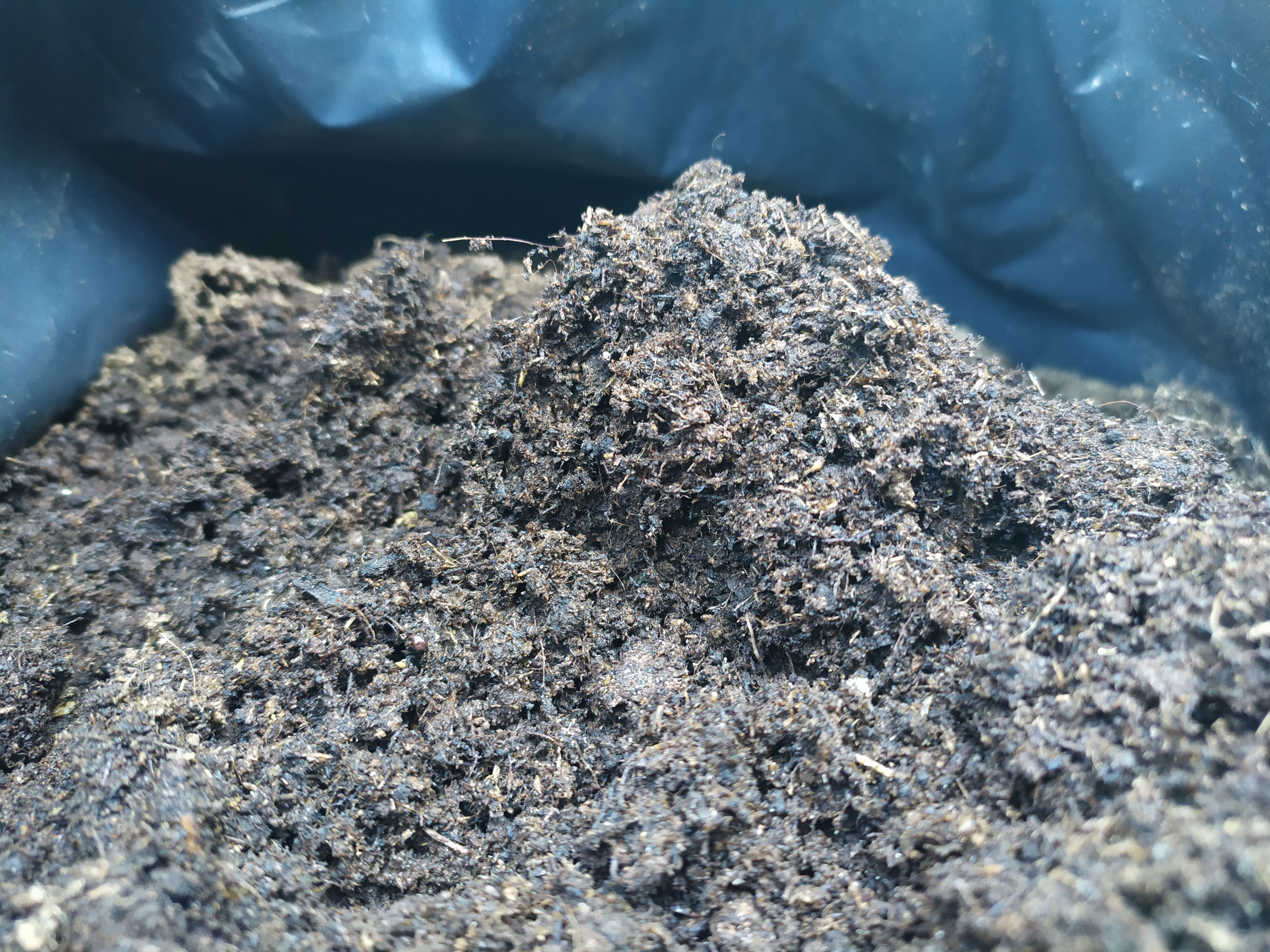
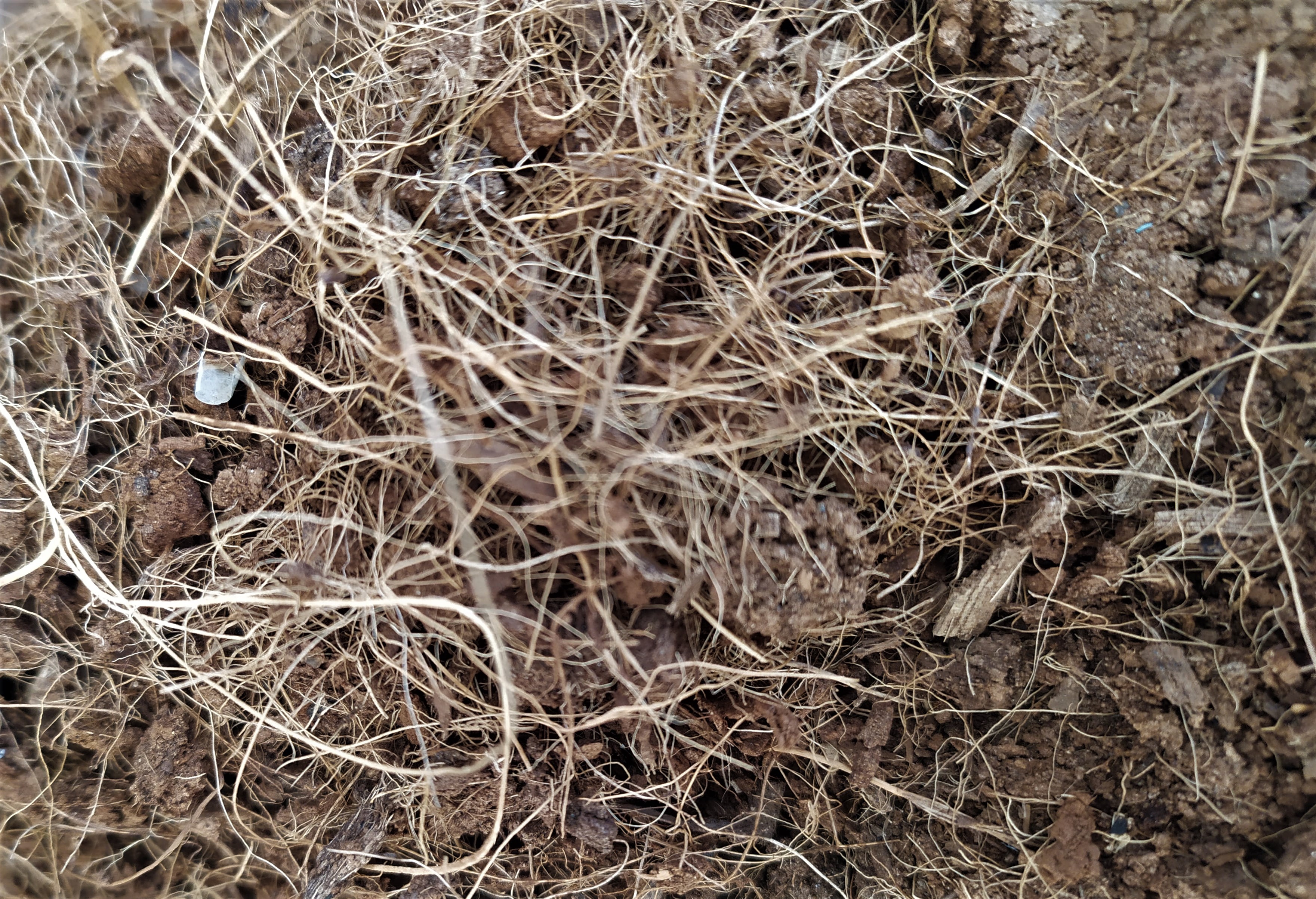
Specifically, the universal substrate we have on our website is a mixture rich in supplements and microelements that have been selected for easy absorption by plants, promoting healthier growth. It contains black peat and high-quality blonde peat, ensuring optimal plant growth. Another widely used and 100% natural and ecological substrate is coconut fiber.
What is blonde peat and what is it used for?
Blonde peat is a completely organic fibrous material. This organic matter, accumulated in anaerobic conditions and at low temperatures, evolves and humidifies until it transforms into peat. It's a fibrous peat where small plant fibers can be observed. This type of substrate helps acidify the soil before new plantings, is beneficial for the soil, and helps improve water availability for the plant.
Manure: meaning and uses
Many times when we hear the word manure, we associate it with the excrement of grazing or farm animals, however, it can be obtained in many more ways. The most recommended is cured manure, since fresh manure has acidity levels that can burn the plant if we do not know how to use it properly. Dry manure is obtained by leaving the mixture in the sun for several months, allowing it to ferment and become a perfect fertilizer without bad odors.
Other terms from the agricultural dictionary you should know
Fertilizer
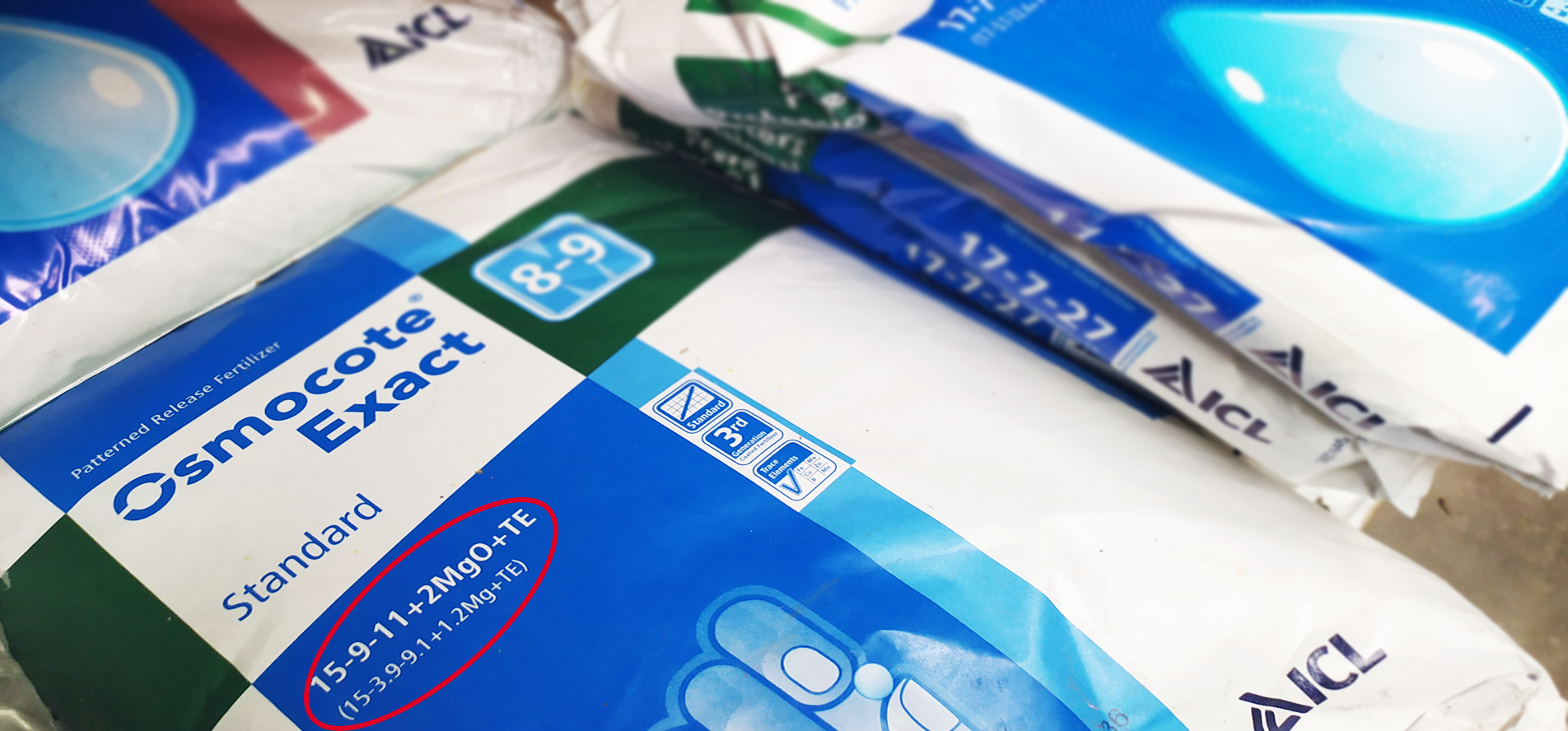
It is another type of "fertilizer". We always opt for controlled-release ones to ensure that the plant or crop is fully nourished for a controlled and determined period of time. In this case, we recommend Osmocote. It is used by introducing it along with the peat; after a few waterings, the capsules are released and begin to release the nutrients the plant needs. One pellet per liter of substrate is recommended as a maximum.
Humus
Humus is organic matter that, after falling to the ground, decomposing, and being consumed by microorganisms, transforms into a black substance known as humus, which has great benefits for plants. Humus can be generated naturally by leaves falling to the ground or by worms living in it and feeding on them.
Compost
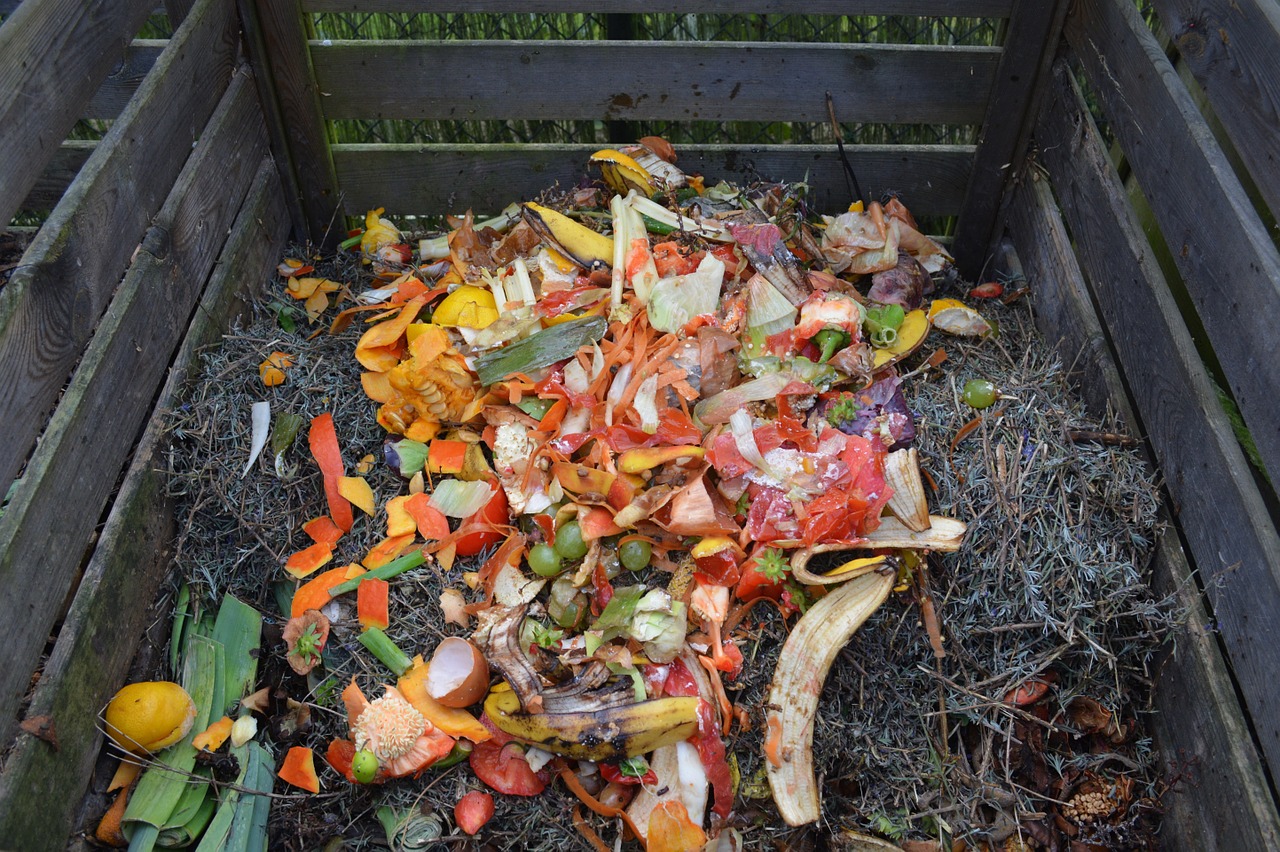
This fertilizer is a preparation obtained from the decomposition of organic matter that can come from vegetable scraps, leaves, manure, fruits, etc. It can be bought or made in your own garden in a controlled and natural way. In this article, we explain how to make homemade bokashi, an organic and ecological compost.
Where can I buy quality substrate, peat, and fertilizers online?
At Gardenweb, you can find both our universal substrate and coconut fiber. We also have full pallets of blonde peat. Additionally, we offer a wide range of controlled-release fertilizers from the OSMOCOTE brand. Visit our online store now and easily and securely place your substrate order.
You can also make your purchase at our physical store located on Casas de León road, km. 3.5 – 03293 Elche (Alicante).


🌱 Leave your feedback here
We want to know what you thought of this article and, especially, if you found it helpful. If you'd like to share your experience, this is your space. We're listening!